How we helped Redrob secure $14M Series A by remodelling its People Search Engine to fix null data, improve results, and scale.
The challenge
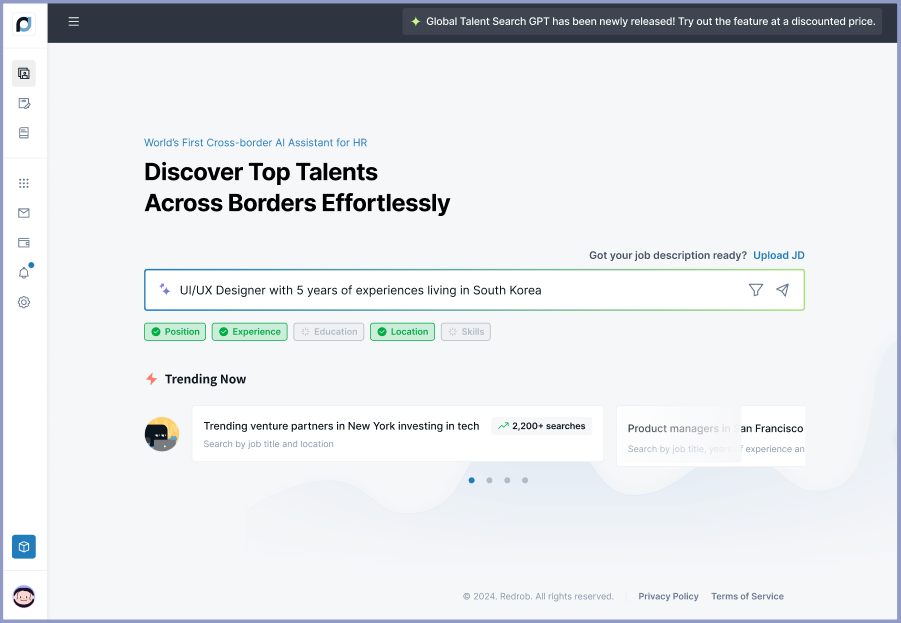
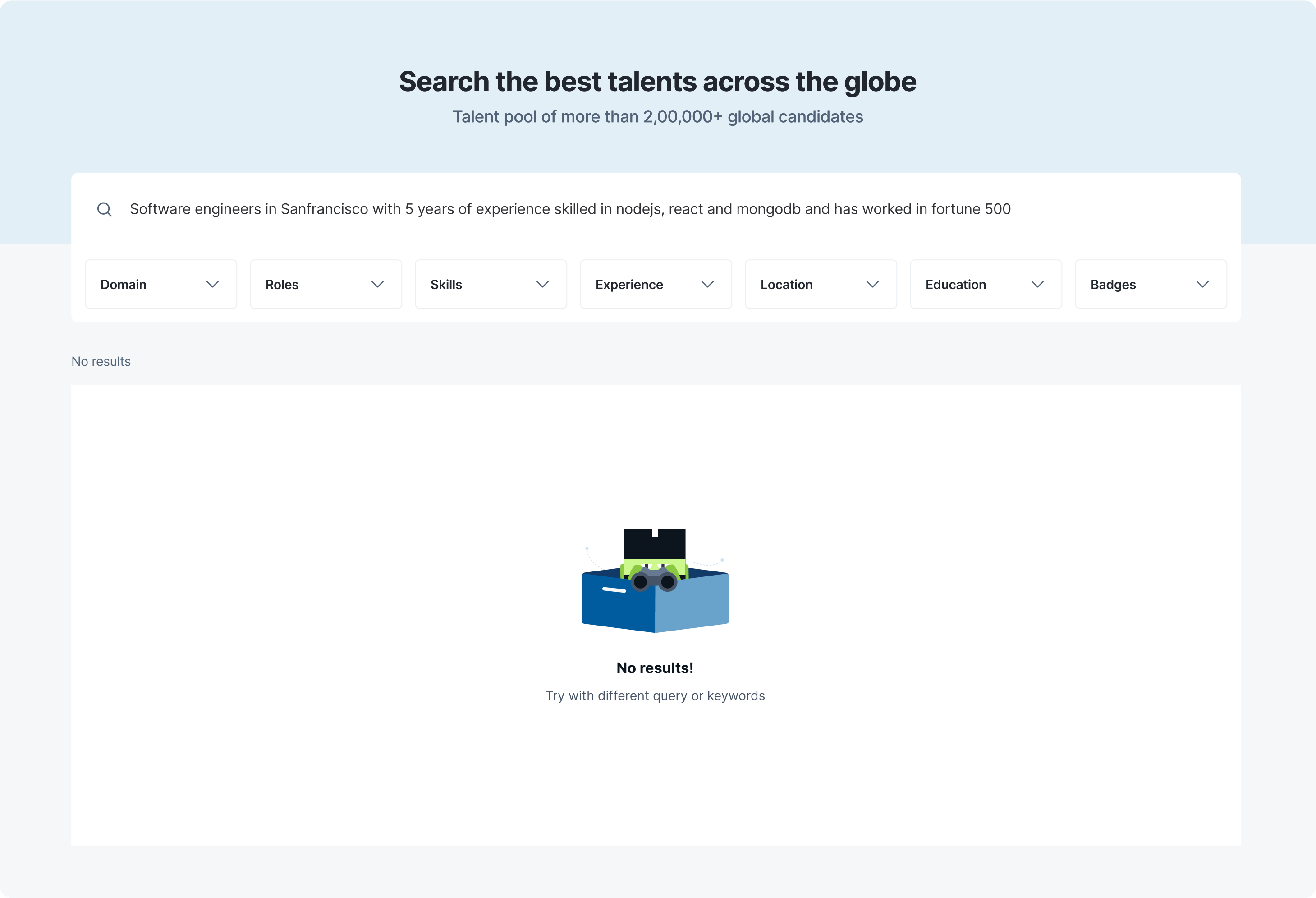
Redrob aimed to develop a cutting-edge NLP-powered people search engine. However, the limited availability of data in the early stages (MVP) posed a significant challenge. Most NLP query combinations resulted in null data, leading to frequent "no results" screens for users. This not only increased the bounce rate but also negatively impacted the product's credibility. Solving this issue was critical to retain user trust and engagement.
My Role
I contributed as Core UX and Interaction Designer, responsible for solving the critical challenge of improving the user experience for an NLP-powered people search engine with sparse data. My focus was on designing interaction flows and fallback mechanisms that minimized user frustration, retained engagement, and reinforced the system's reliability.
Team
Cross functional team comprising UX designers (including myself), visual designers, frontend developers, backend engineers, data scientists.
These are our primary targets
We decided to focus on the below targets based on what we learnt through platform and user behavior pattern analysis.
Let’s get rollin’ and get this done😎 (wish if it’s that easy🥲)
A robust rigid search and combination of filters which emphasizes exact relevancy.

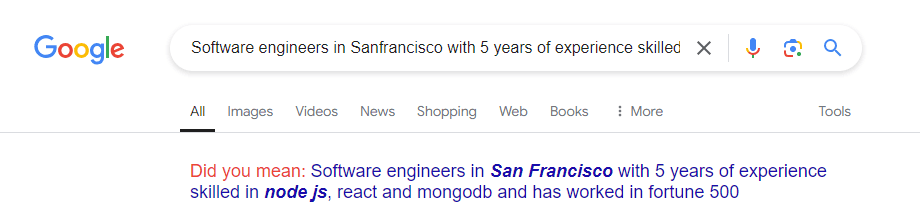
This case made us keen to look how others handle this!
Google Search: Offers alternative suggestions ("Did you mean...?").
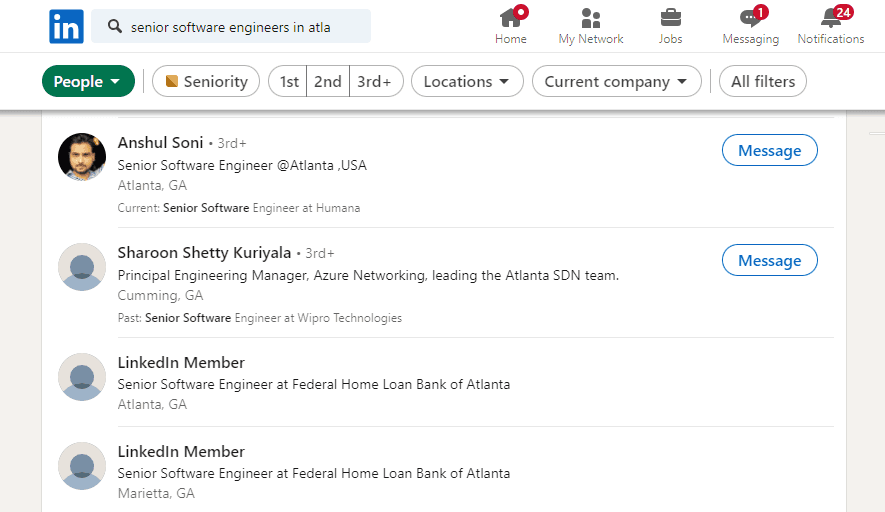
LinkedIn Search: Loosens filters automatically and broadens the search result.
Ideation and Brainstorming⚡
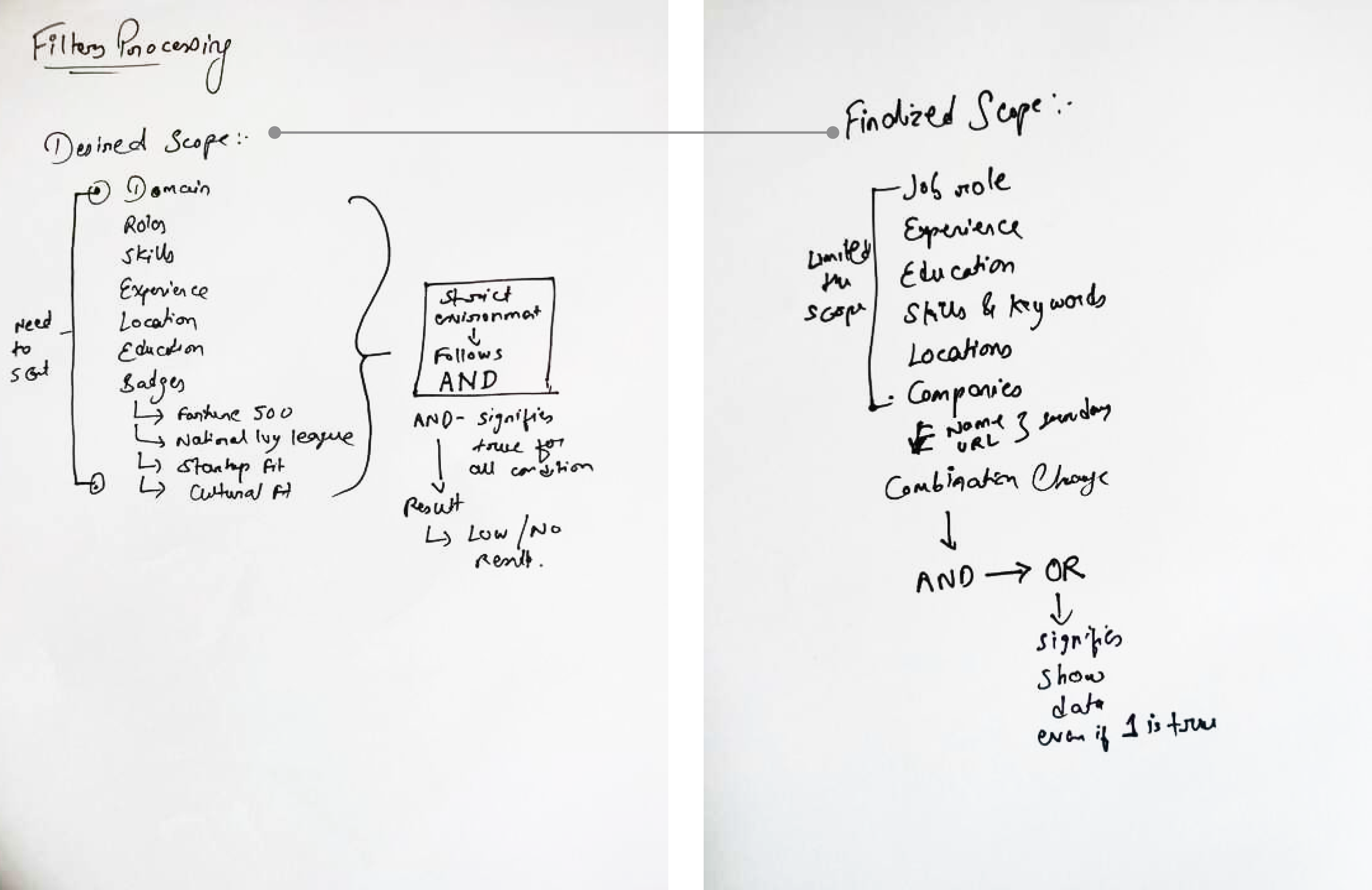
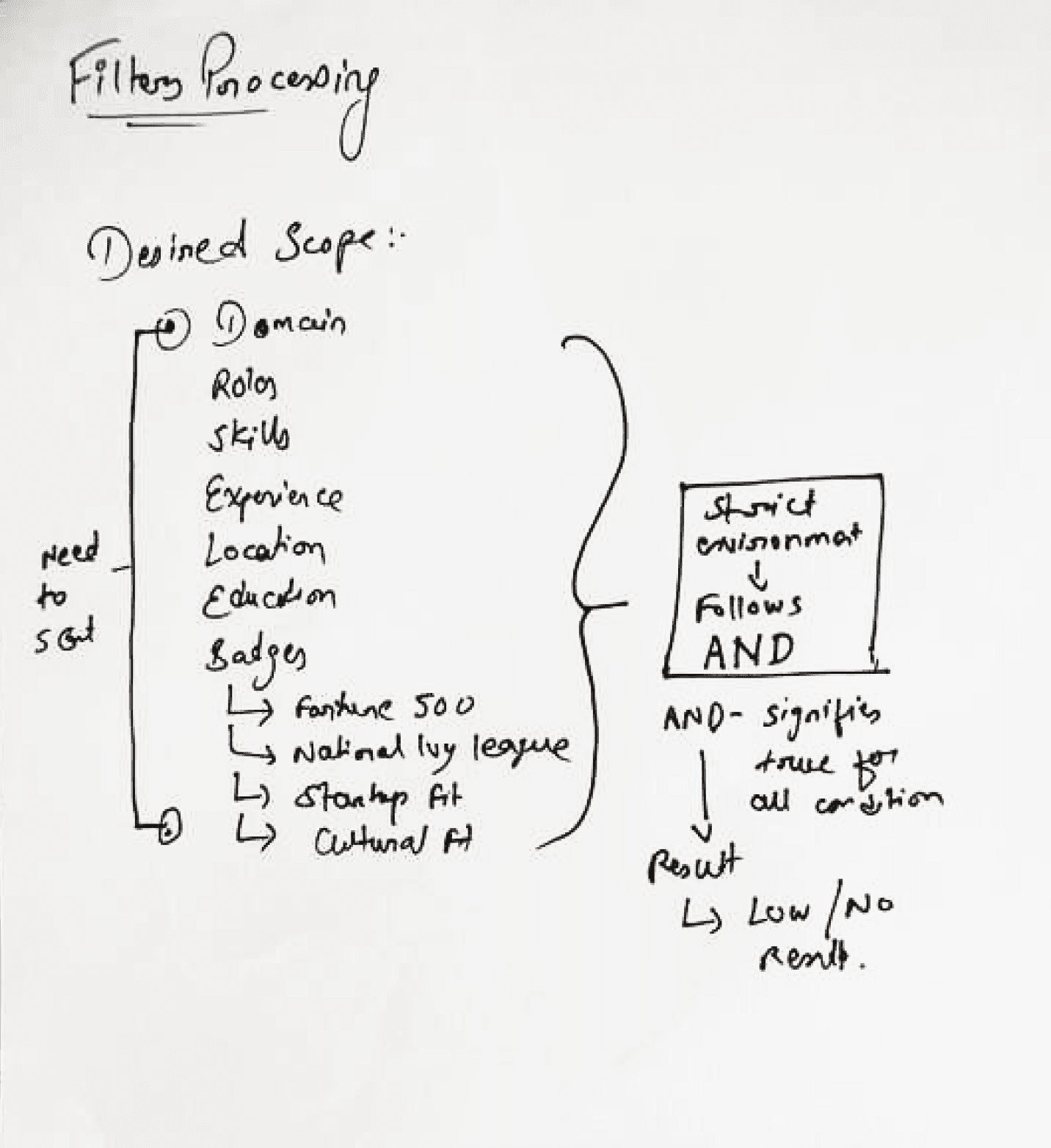
Interacted with engineers and product managers to understand current filter processing and combination mechanism that comes in action while initiating search query.


What we learned?
In our system filter combinations works under “AND” condition for emphasizing relevancy
Due to large scope of filters and small amount of data most of the queries results in Null value
What we did?
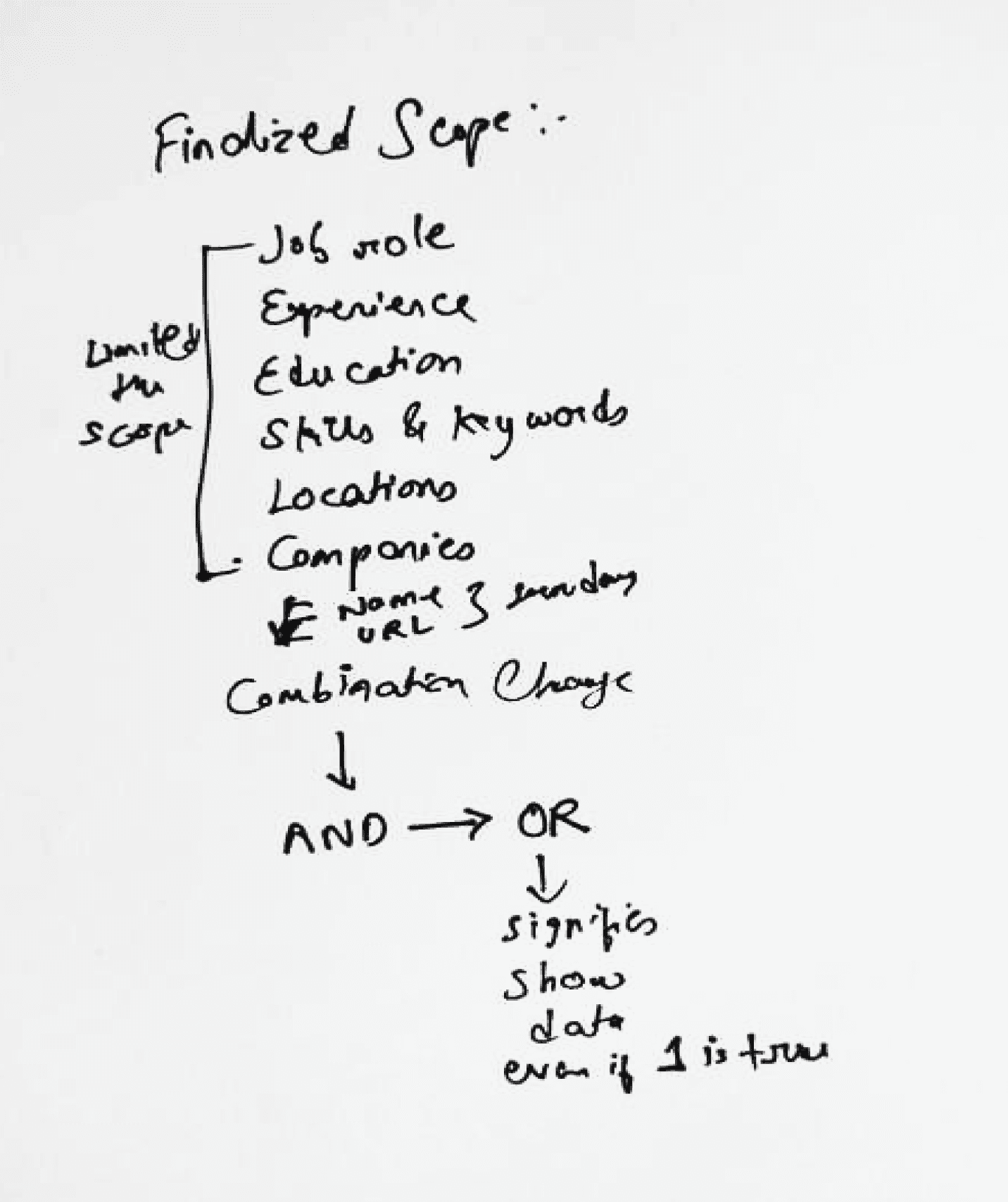
Limited the scope of filters and kept only the most widely used (found through secondary research)
Created the new combination of filter queries through stacking “OR” and “AND” conditions
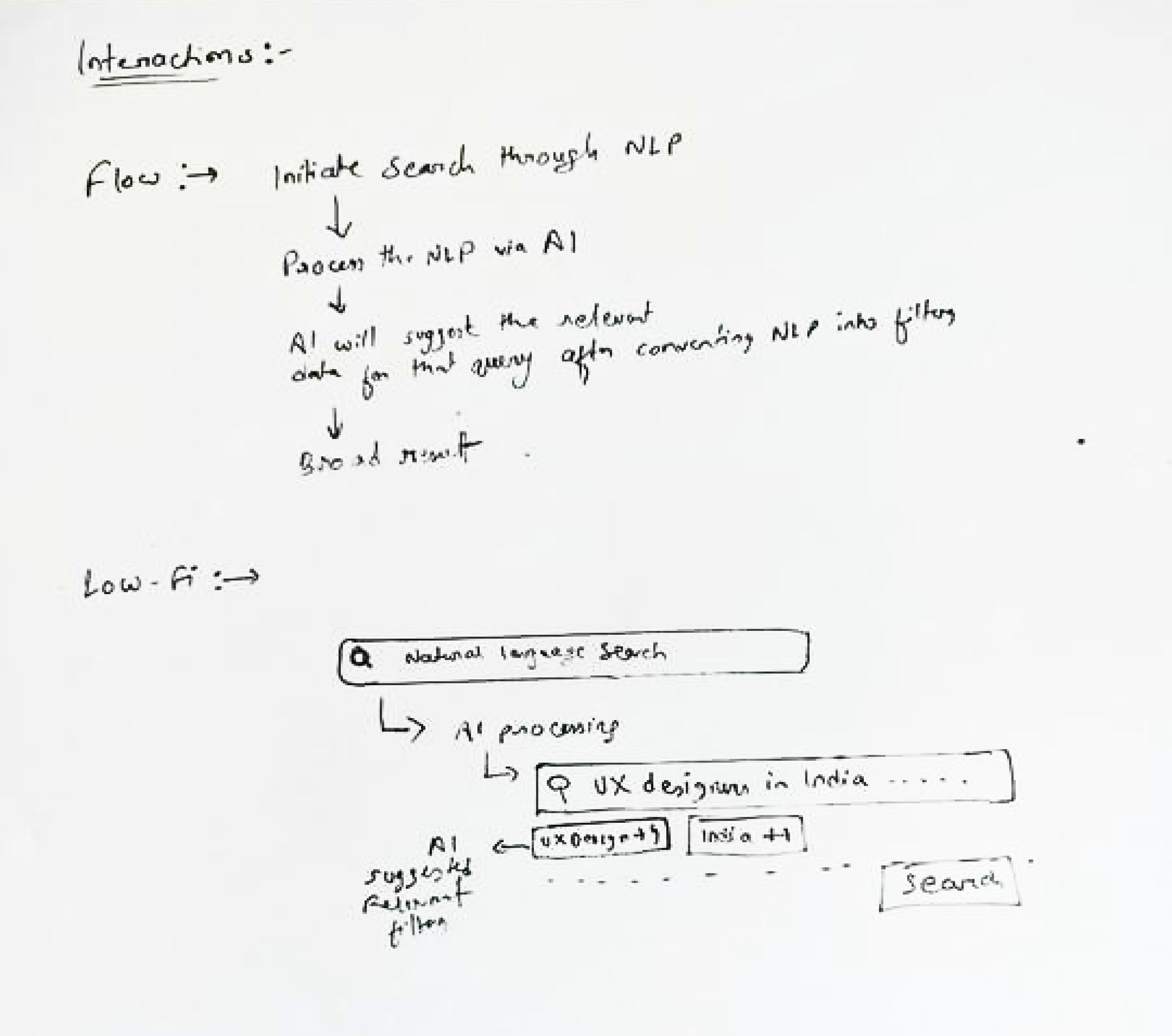
💡Bonus idea: We leveraged AI to provide more relevant suggestions from our database for search queries, broadening the results
Solution design
Now for the final search UX logic flow; we combined these solutions into a cohesive fallback mechanism.
Initial Query Handling:
Parse the user query and match with the database.
Convert natural language query (NLP) into filter query through AI.
Suggest relevant filters respectively.
If results are zero, initiate fallback logic.
Fallback Mechanism:
Dynamically loosen filters as per the priority and importance (e.g., expand relevant skill match, location radius).
Display results with alternative suggestions following the OR condition.
Here come’s the new and better search engine🤓
These screens are animated in structured flow. However, you can tap on dots below to navigate😄
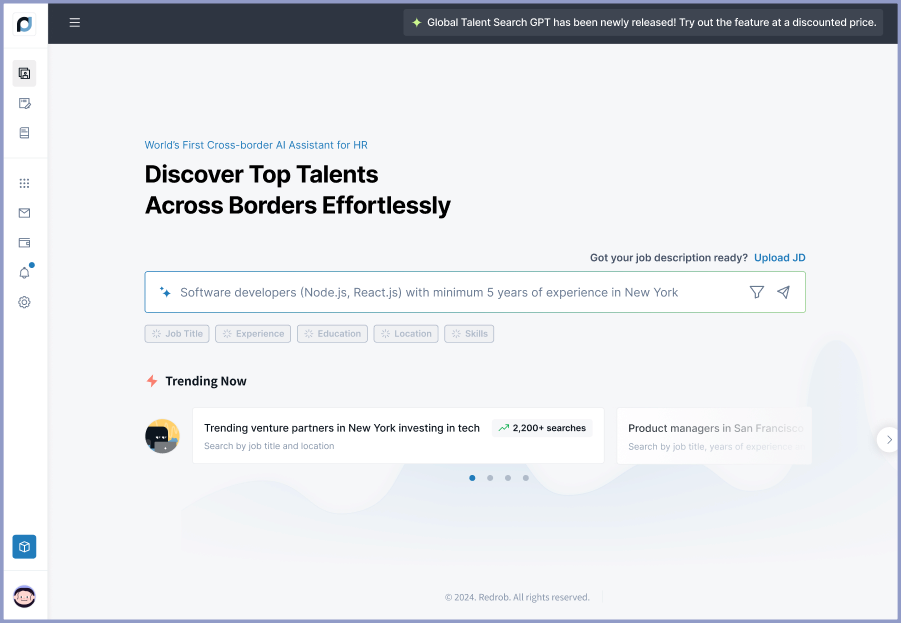
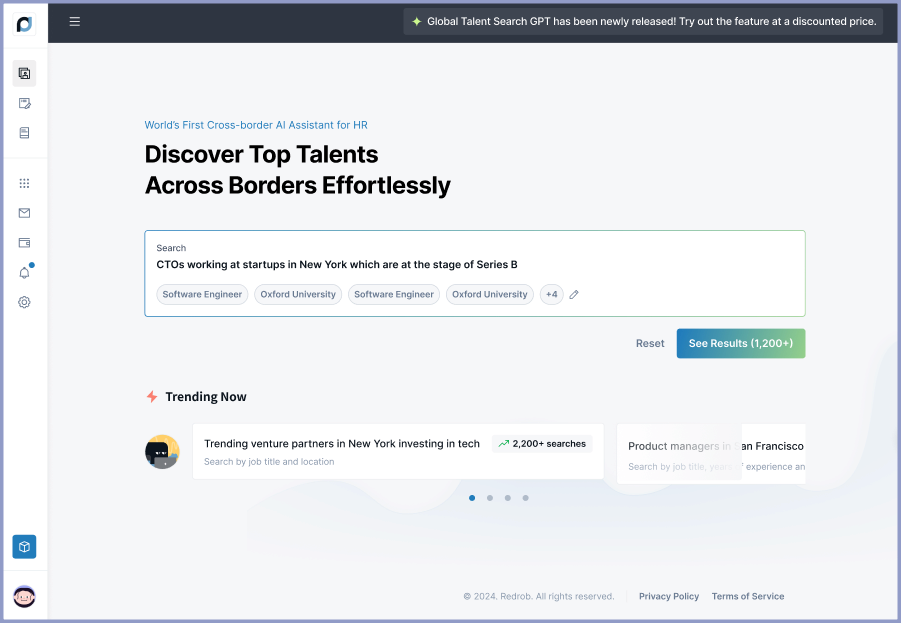
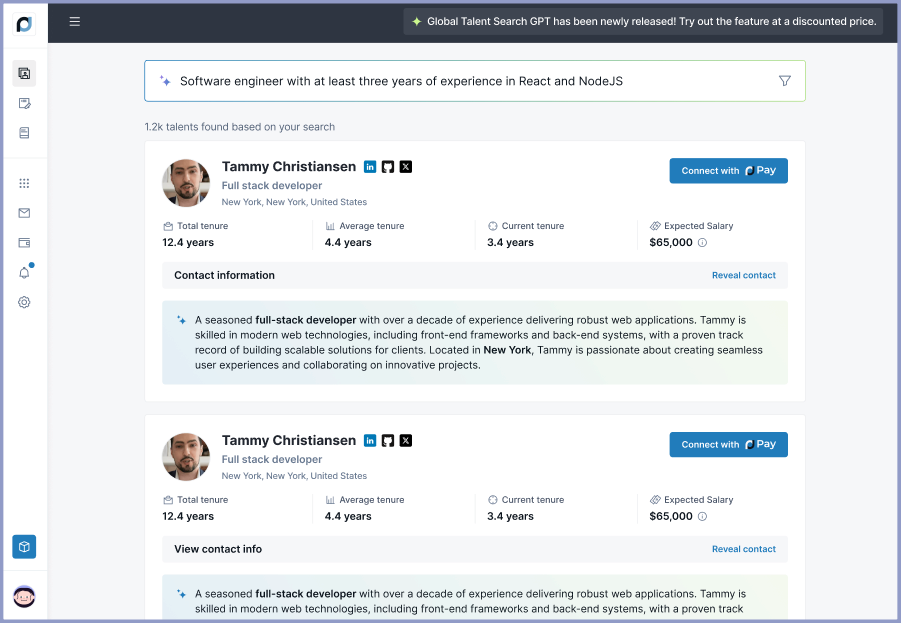
Impact!
40%
24%
16%
Key learnings
1.
Designing for Real-World Constraints
Solving user problems with limited data required a creative approach that balanced user expectations with system capabilities. This reinforced the importance of designing solutions that work even in suboptimal scenarios.
2.
Empathy-Driven Solutions
Users value transparency and control. Communicating filter adjustments clearly and offering actionable alternatives enhanced trust and usability.
3.
Collaborative Problem-Solving
Close collaboration with engineers and data scientists was crucial in aligning technical feasibility with user-centric design, ensuring the solution was both functional and intuitive.
4.
Iterative Design for Impact
Continuous testing and refinement of fallback mechanisms emphasized how small interaction tweaks, like clear messaging or interactive filters, can significantly improve the overall experience.